

I didn’t mean to become an eSIM expert, but here we are. I’ve tested six different providers across Africa, Asia, North America, and Oceania, and I’ve learned a lot along the way. If you’re just getting started with eSIMs, I know it can feel a little overwhelming. But these answers to common eSIM FAQs should help.
This post may contain affiliate links. Bookings or purchases through these links generate a small commission for me at no extra cost to you. In fact, it usually means you get a discount! Thanks for your support.
eSIM FAQs table of contents
There are a lot of questions here! This will make it easier to navigate. Let me know in the comments if I’ve missed anything you want answered.
- What is an eSIM?
- eSIM FAQs: planning & buying
- Is my phone eSIM compatible?
- How long does an eSIM take to activate?
- How much data do I actually need for a trip?
- Can I get an eSIM discount?
- How do I pick the best eSIM?
- Should I buy an eSIM before I leave or after I land?
- Is an eSIM cheaper than roaming?
- Is an eSIM better than buying a local SIM card?
- Can I reuse an eSIM on a future trip?
- eSIM FAQs: setup & activation
- Do I need Wi-Fi to set up my eSIM?
- Can I use a travel eSIM with my home SIM active?
- Will my eSIM work as soon as I land?
- How do I activate my eSIM?
- eSIM FAQs: using one on the go
- Can I use my eSIM to hotspot?
- Can I use one eSIM for multiple countries?
- Do eSIMs work in rural areas?
- Can I make phone calls with an eSIM?
- Do eSIMs work on cruise ships?
- eSIM FAQs: troubleshooting & security
- Are eSIMs secure?
- What happens if I run out of data?
- Is an eSIM safer than public Wi-Fi?

What is an eSIM?
An eSIM is a digital SIM card built into your phone. Instead of inserting that tiny plastic card, you download a mobile data plan directly to your device.
This means you can buy a local data plan for your destination before you even leave home — no hunting for a SIM card shop when you land, no language barriers, no risk of losing your home SIM card in the process. It’s incredibly convenient technology and has honestly changed the way I travel.
eSIM FAQs: planning & buying
Here are some eSIM FAQs you should read before buying one for your trip. Choosing the best eSIM for international travel depends on your travel style and unique needs. So it’s important to know what to expect.
Is my phone eSIM compatible?
Most new-ish smartphones support eSIMs, from iPhones and Samsungs to Google Pixels and Huaweis, but it will depend on the model. If you have a phone model from the last couple of years, it’ll almost certainly be compatible. But if it’s older, it might not.
For example, does an iPhone 12 have eSIM compatibility? Usually yes, but it’s essential that you check before buying! No company will provide a refund for an incompatible phone.

How long does an eSIM take to activate?
In theory, an eSIM just takes a few minutes to activate. However, in my own experience with several different providers, it sometimes it takes a little longer to kick in.
And the first time you do it, the settings can be a bit finnicky, so you may have to troubleshoot to get it right. That said, most major eSIM providers offer 24/7 support, so it’s pretty easy to sort it out if you run into any issues. At best it’s taken a minute to connect, and at worst it’s taken a few hours to sort it out.
How much data do I actually need for a trip?
How much data you’ll need depends soooo much on your individual phone/laptop habits. If you’re a digital nomad and relying on data for work, you’ll need a high GB plan or an unlimited subscription.
If you’re on a backpacker budget and just want to use data for a few things while you’re out and about but plan to stick mostly to Wi-Fi, you can get away with a lower, cheaper plan.
Some eSIM providers have a fun little data usage calculator that helps you estimate how much you’ll need. I like this Saily calculator.

Can I get an eSIM discount?
Heck yes you can — most eSIM companies offer discounts for first-time sign-ups. And because I’ve written about eSIMs so much, I’m in touch with lots of providers and have some exclusive eSIM discount codes for you. Here are a few:
| Provider | Discount | Code |
|---|---|---|
| Roamless | 20% off | RUNAWAY20 |
| Holafly | 5% off one-time plans / 10% off subscription | NAOMILAI / RUNAWAYTRAVELLER |
| Saily | 10% off | NAOMI10 |
| Jetpac | 10% off orders over $10 USD | RUNAWAY10 |
| aloSIM | 15% off | RUNAWAY15 |
| ETravelSim | 15% off first eSIM / 10% off future | NAOMI15 / NAOMI10 |
| GigSky | 20% off | RUNAWAY20 |
| Ubigi | 10% off | RUNAWAY10 |
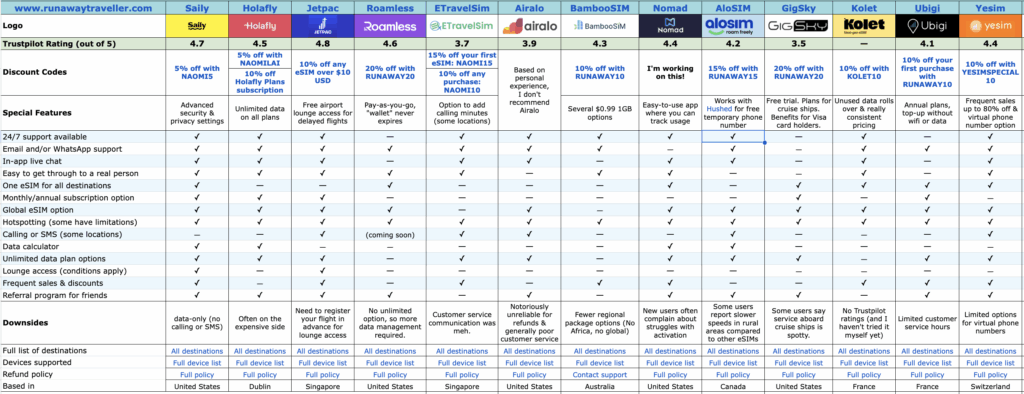
And you can find more promos in my eSIM comparison spreadsheet.
How do I pick the best eSIM?
The best eSIM for travel depends on your destination, how much data you tend to use, how long you’re traveling for, and more factors.
What are the best eSIMs? Here are some providers I can personally recommend:
- Holafly lets you choose exactly how many days you need, rather than pre-set 7, 14, or 30-day plans like other providers.
- Roamless has a pay-as-you-go model and flexible credit that never expires.
- Saily has an ad-blocker and VPN-like features that make it extra secure.
- Jetpac has perks like free airport lounge access for delayed flights.
- aloSIM, ETravelSim, Jetpac, and Roamless offer a local phone number in some locations or other ways to call landlines.
- GigSky gets you data on cruise ships.

I’m currently using Holafly Plans, an unlimited data monthly subscription that works globally. I don’t have to activate when I land, don’t have to monitor my usage — it just works. It was also incredibly convenient when crossing the border between Brunei and Malaysia several times in one day. Here’s my full review of how Holafly Plans works and why I love it.
I’ve also had good experiences with Saily, Roamless, ETravelSim, Jetpac, and aloSIM. Make sure you read some Airalo eSIM reviews before you go that route, they’re one of the most famous eSIM companies but they don’t have great reviews.
Should I buy an eSIM before I leave or after I land?
It’s best to buy an eSIM and install it before you arrive in a new country. However, you should wait until you land to activate it. It will only work in the country or region you bought it for.
Of course, if you forget to install one before you arrive, you can still buy an eSIM after you land. But you’ll need solid wifi to download it and get it all sorted. If you buy a global plan, you can activate it before you leave and it’ll automatically connect when you arrive.
Is an eSIM cheaper than roaming?
Yes, almost always. Roaming fees through your home carrier are usually way more expensive than eSIM data plans.
For example, an unlimited roaming plan through Rogers (Canada) costs 70 CAD for 14 days in Europe. By comparison, a Saily eSIM for Europe costs 50 CAD for for 10 GBs over 30 days. If you’re on a tighter budget, 5 GBs is just 27 CAD.

Is an eSIM better than buying a local SIM card?
Convenience-wise, an eSIM is hands down way better. It’s more flexible, you can line it up before you arrive, and you don’t have to worry about language barriers or scams. But cost-wise, a local SIM card will often be cheaper than an eSIM.
An eSIM is objectively better for short trips, as you don’t have time to waste going into the store to swap it out and get it all set up. I will probably never buy a local SIM card ever again.
Read more: Is an eSIM Worth It for a Short Trip?
Can I reuse an eSIM on a future trip?
In most cases, yes, you can reuse an eSIM you’ve already downloaded by topping up with another plan. For example, you just have to download a Saily eSIM once and you can add credit for anywhere in the world.
However, if you buy an eSIM package and don’t use all the data, it will expire at the end of the set period (usually 30 days). Roamless is an exception to that rule. You can buy Flex credit that never expires and just switch on your eSIM when you need it.
eSIM FAQs: setup & activation
Here are some answers to frequently asked questions about eSIMs to help you through the setup and activation process. It can be a little tricky the first time you do it. But it gets easier, I promise!
Do I need Wi-Fi to set up my eSIM?
Yes, you need Wi-Fi to activate your eSIM. If you install it before you leave, you can literally just connect to airport (or other) Wi-Fi, follow the activation steps outlined by the eSIM provider, and you’re good to go.
If you have a regional or global eSIM, it will just work after you activate it one time. You don’t need to find Wi-Fi in every new country you visit.
Can I use a travel eSIM with my home SIM active?
Yes, most dual-SIM phones allow for a physical SIM card and eSIM to be active at the same time.
This is super handy so you don’t have to mess around with switching SIM cards if you travel often. And it means you can get verification codes sent to your home phone number when you’re abroad using data on your eSIM.
I leave my home SIM switched off 99% of the time to avoid accidental roaming charges. But if a website is demanding a verification code (annoying), I can switch my SIM on and receive the text for free. Just remember to turn it off again!
Will my eSIM work as soon as I land?
Sort of. You’ll need to connect to Wi-Fi and to go through the activation process. But if all goes well, it just takes a couple of minutes and you’re online.
So you won’t be switching it on from the tarmac. But once you’re in the airport terminal, the free Wi-Fi connection is enough to get it all going.
How do I activate my eSIM?
The activation instructions vary with every eSIM provider. Some need you to scan a QR code, others have an app you can manage everything from. They’re all a little different, but they all provide detailed, step-by-step instructions for each phone model.

eSIM FAQs: using one on the go
Here are some helpful answers to eSIM FAQs about using your eSIM once it’s all activated and ready to go.
Can I use my eSIM to hotspot?
Yes, most eSIM providers offer hotspotting. You can tether data to your own device like a laptop or iPad, or help your friend out if they don’t have an eSIM yet.
However, many companies or plans put a cap on how much data you can hotspot per day. The limit is often 500 MB or 1 GB per day. But in some cases, it’s unlimited. Again, every provider will have the details of its hotspotting capabilities available before you commit.

Can I use one eSIM for multiple countries?
Yes, if you get a regional or global plan. This makes it way easier to country hop without worrying about new eSIMs all the time. Note every eSIM company will have a slightly different variation of which countries are included in their regional plan. So read the description carefully and make sure all the countries you’re visiting are on the list.
Also, some lesser-visited regions of a country might not be included. For example, some eSIM providers for the US don’t include service in Alaska and/or Hawaii. Some providers for Indonesia or Malaysia don’t include Borneo. The details will be available, but if you can’t find what you need you can always reach out to customer service for a definitive answer.
Read more: Choosing the Best eSIM for Europe
Do eSIMs work in rural areas?
eSIMs sometimes work in rural areas. They’ve honesty surprised me. But eSIMs use the local network to provide data, so coverage will depend on that network.
Occasionally, I’ve had better eSIM coverage than with my local SIM because it identifies the best provider and jumps between them. (AT&T vs Verizon, for example.) But generally speaking, your eSIM won’t work in the middle of the Sahara, in rural villages, or wherever else locals don’t get service, either.
Can I make phone calls with an eSIM?
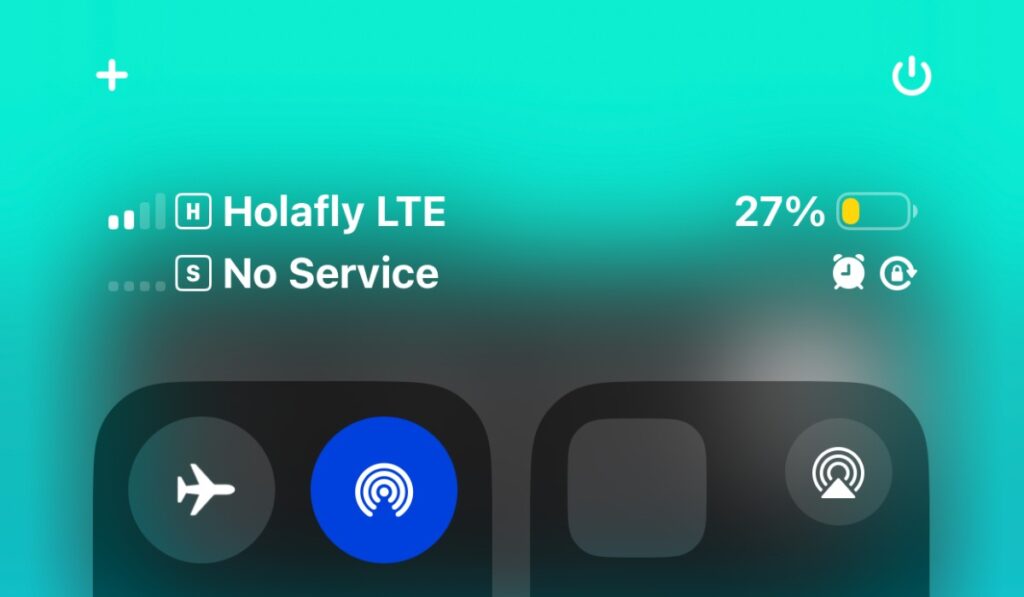
Currently, most travel eSIMs are data-only. But that still lets you use WhatsApp, FaceTime, and Facebook Messenger to make calls.
However, a few eSIM companies are starting to offer international phone numbers, making it easier to call landlines or receive verification codes. Here are some that feature calling in some locations:
- aloSIM (connects to Hushed)
- Holafly (with monthly subscription)
- Roamless
The tech is changing all the time, but I’ve tried the calling feature with those three providers and they’ve all worked great. ETravelSim is another solid option that’s been offering phone numbers for years, but I’ve never been able to test it in the countries I was visiting. For now, most of their phone number plans are in North America and Europe.
Do eSIMs work on cruise ships?
eSIMs sometimes work on cruise ships, but service can be unreliable and/or expensive. Most rely on land-based mobile networks, so once you’re out at sea, coverage is unlikely.
That said, GigSky is currently the only eSIM provider I’m aware of that specifically offers cruise ship coverage. That’s their whole thing, and they have 4.3 stars on Trustpilot, so it’s a good bet! I’m not really a cruise gal, so I haven’t had the opportunity to try it yet myself. GigSky also gives you 100 MB free if you want to test it out.

eSIM FAQs: troubleshooting & security
Here are some answers to common questions about what to do when you’re having tech issues during the set up process or once the eSIM is activated. I also cover some questions about eSIM security.
Are eSIMs secure?
Yes, eSIMs are secure. They use the same encryption as physical SIM cards, and because there’s no physical card to lose or have cloned, they’re arguably more secure than traditional SIMs.
What happens if I run out of data?
What happens and how you top up depends on your provider and plan. With most data-capped plans, your connection will simply stop when you hit the limit — you won’t be automatically charged more. You’ll need to log into the app or provider website and top up or buy a new plan.
However, some eSIM providers let you opt for an auto top-up, and they’ll email/notify you when your balance is running low. Holafly has a unique “Always On” feature that gives you 1 free GB of data on every plan — even after you cancel it.
Is an eSIM safer than public Wi-Fi?
Omg yes, so much safer. Public Wi-Fi, the kind you get in airports, cafes, and hotels, is a common target for data interception. Using your eSIM data instead means your connection is encrypted through the mobile network rather than an open or shared network.
So for example, I’d never check my bank details on an open network, but I can safely use my eSIM for banking no problem. Saily is one provider with added security features, and it’s under the same umbrella company as NordVPN.
Check out my eSIM comparison chart
Click below for more details, pricing, discounts, and pros and cons to over 10 major eSIM providers. I update this spreadsheet regularly.

Naomi Lai
Naomi is a Canadian travel editor and writer with 13 years of international travel across Southeast Asia, Europe, South America, New Zealand, and beyond. She covers everything from budget backpacking to luxury travel — always from personal experience.
More about Naomi →
